
Expanded polyethylene (EPE) packaging manufacturers generate sheet offcuts, long strips, rejected parts and leftover rolls during cutting, forming and roll changes. Electronics and furniture businesses also collect used EPE cushioning after unpacking incoming products.
Loose offcuts, wide sheets and leftover rolls require different feeding arrangements. Their dimensions and flexibility help determine whether the recycling system needs a separate crusher, conveying equipment or a storage silo before hot-melt densification.
Keep Production Offcuts Separate from Used Packaging
Production offcuts usually have a known source and material composition. Dedicated collection containers near cutting and forming stations help keep scraps clear of paper, dirt and other plastics. Collecting different foam materials separately also helps maintain consistent feedstock for downstream recycling.
Used packaging needs sorting before processing. Separate cardboard, protective film and other non-EPE materials, and keep visibly oily or heavily contaminated packaging apart from cleaner foam.
Laminated, composite or cross-linked PE foam should be identified separately. Material information or samples can help determine a suitable processing route before these wastes enter the system. Keeping clean production offcuts separate from used packaging makes EPE foam recycling easier to organize and helps maintain consistent batches for downstream processing.
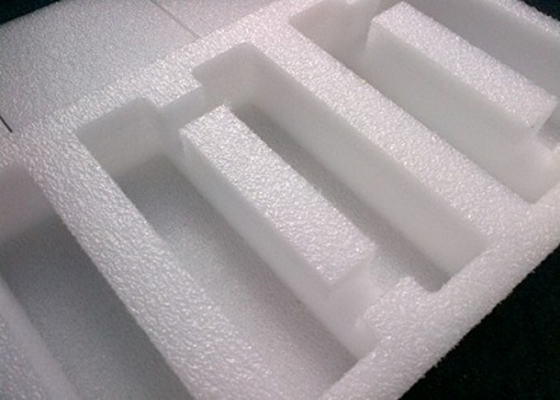
Match Feeding Arrangements to Sheets, Strips and Rolls
Waste weight is only part of the information needed to select equipment. Sheet width and thickness, strip length, and roll diameter and width all affect feeding and shredding arrangements.
Wide sheets must fit the feed opening and crushing configuration. If operators need to cut them into smaller pieces first, include that work in the daily processing schedule. For long, flexible strips, check whether the material enters the crushing section smoothly without frequent stops for manual handling.
For leftover rolls, specify whether they contain cores, whether they need unwinding and how they will be fed. A machine’s suitability for EPE does not mean that every full roll can go directly into its hopper.
Trial samples should include typical loose offcuts, larger sheets and the strips or rolls that require the most handling. Small, neatly prepared samples alone will not show the workload operators face on site.
How Do a Foam Crusher and Storage Silo Support a Densifier?
Pre-crushing changes the size and shape of the waste, while hot-melt densification converts bulky foam into dense material. Whether a separate crusher is needed depends on the incoming waste and the feeding capability of the complete system.
If the densifier’s integrated crushing section can handle everyday waste, direct feeding may be suitable. Wide sheets, thicker parts or batches of leftover rolls may require a separate foam crusher. For flexible EPE, check how effectively the machine breaks down the material and how smoothly the pieces discharge.
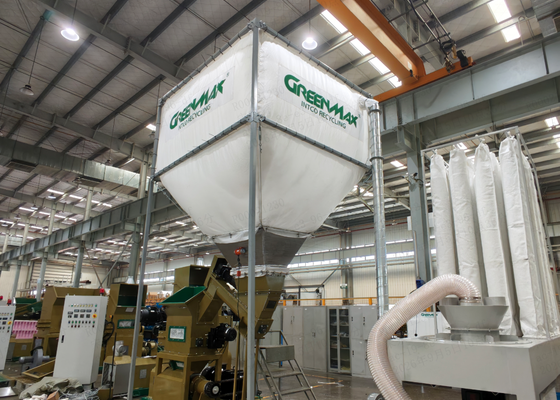
Shredded EPE is light and fluffy. A conveying system and storage silo can collect it before feeding it into the densifier. Where crushing takes place in batches but densification runs continuously, the silo provides a buffer between the two stages and reduces manual transfers.
Silo agitation or assisted discharge should be selected according to how the actual shredded material behaves. Dust collection and filtration can be arranged around the crushing and conveying stages to help contain airborne particles and keep the handling area cleaner.
How Does a MARS Densifier Process EPE Foam Waste?
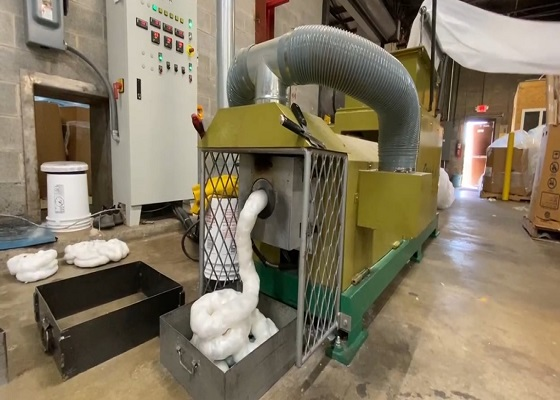
The GREENMAX MARS foam densifier shreds and heats EPE foam, then extrudes the melted material through a screw system. After cooling, the dense output can be collected for storage and further recycling.
For an EPE project, use trials with your own waste to establish throughput and output quality. Figures specified for EPS may differ because EPE density, waste shape and feeding behavior affect performance.
During a trial, observe whether the actual waste feeds smoothly, whether shredded material discharges consistently, and whether the cooled output is easy to collect and move. If one operator also sorts the waste, loads the machine and transfers the output, include those tasks when assessing the complete workflow.
Arrange the work area along the material flow. Keep the collection area close to the feed point and leave space at the discharge end for cooling, collection and handling, so processed material does not accumulate in production aisles.
What Happens to Densified EPE After Processing?
Densified EPE is feedstock for further recycling. Depending on the receiving recycler’s process, it may need additional size reduction, filtration or pelletizing. Before choosing the equipment, check that the receiving recycler accepts hot-melt densified EPE and establish the required material quality.
Before the first delivery, provide the recycler with the material source, composition, photos and trial output samples. Agree on requirements for contamination, color, packaging and shipment quantity.
Consistent production offcuts and used packaging with more variable composition can be managed as separate batches. Keep laminated, composite or unidentified materials apart until acceptance conditions are clear, so they do not affect an entire shipment.
Collect cooled material in a designated area using pallets or suitable containers, and keep it clear of other waste. Recording the weight processed and delivered in each batch also helps businesses track material recovery and actual recycling returns.
Send GREENMAX photos of your EPE waste, average and peak daily weights, sheet dimensions, and roll sizes. With this information, GREENMAX can recommend a suitable MARS densifier and any supporting crusher, conveying or silo equipment.