Goodwill Explores Producer-Funded Recycling Programs as Community Recycling Networks Expand
As Extended Producer Responsibility (EPR) programs expand across the United States, more businesses and nonprofit organizations are exploring opportunities in post-consumer packaging collection and recycling. Goodwill is evaluating how its existing donation and retail network could support producer-funded recycling programs, helping manufacturers establish additional collection channels for plastic packaging and other discarded materials.
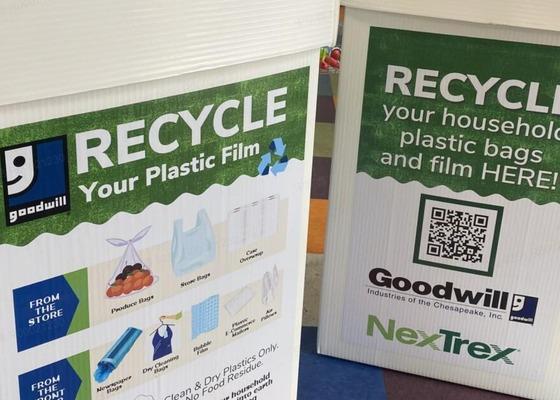
The topic was discussed at the Goodwill Sustainability Summit held in Houston on November 10, 2026. Goodwill is currently examining the types and quantities of waste received at its facilities to identify potential recycling opportunities. Meanwhile, the organization has partnered with chemical company Dow on the GoodFlex project, exploring ways to collect, sort and process used plastic bags through its existing retail network. These developments reflect a broader shift in the US recycling industry, where community collection networks and professional recycling companies are increasingly working together.
EPR Is Expanding Post-Consumer Plastic Packaging Collection
Extended Producer Responsibility requires manufacturers and other responsible parties to take greater responsibility for collecting, managing and recycling products and packaging after consumer use. As more US states introduce EPR legislation, brands and Producer Responsibility Organizations (PROs) are looking for more reliable channels for collecting discarded materials. Goodwill's extensive community and retail network could provide additional collection opportunities for these programs.
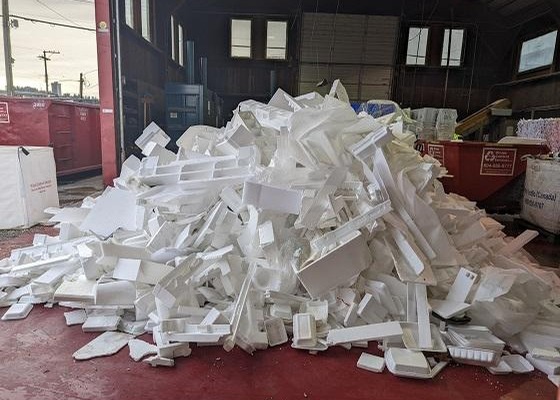
However, expanding collection does not automatically solve the challenges of plastic recycling. Different materials vary in shape, density and contamination levels, requiring different sorting and processing methods. For example, EPS foam commonly used in appliance, electronics and furniture packaging occupies considerable space and requires shredding and densification after collection. PE and PP plastic films are widely used in product packaging and logistics, where shredding, washing and dewatering are important processing steps. Rigid plastics such as ABS, PP and HDPE also require material sorting and size reduction before further recycling.
As community and retail collection networks expand, the ability to process different types of plastic waste into materials suitable for transportation and recycling becomes increasingly important.
Different Plastics Require Different Recycling Processes
Different plastic materials have different physical properties and contamination levels. Therefore, appropriate recycling processes need to be selected according to the characteristics of each material.
1. EPS Foam: Shredding and Densification
EPS foam is widely used to protect appliances, electronic
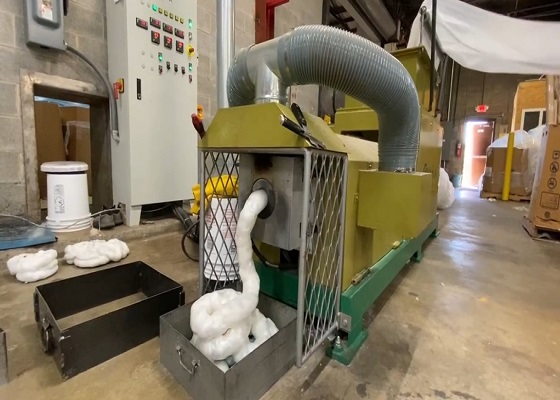
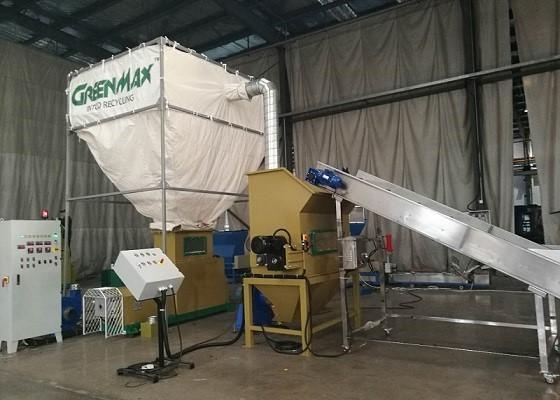
s and furniture during transportation. Its lightweight structure and large volume make storage and transportation challenging. After collection, EPS foam generally needs to be shredded and densified into compact blocks or melted ingots, making it easier to store, handle and transport.
Businesses handling this material can learn more about EPS Foam Recycling Solutions.
2. PE and PP Plastic Films: Shredding, Washing and Pelletizing
PE and PP films are commonly found in product packaging, logistics and industrial operations. These materials can easily wrap around processing equipment and may contain dust, labels and other contaminants. A typical recycling process includes shredding, washing, dewatering and pelletizing, converting waste films into recycled plastic pellets for further manufacturing applications.
For these materials, Plastic Film Washing Lines provide an integrated approach to cleaning and preparing waste films for recycling.
3. Rigid Plastics: Sorting, Shredding and Reprocessing
Rigid plastics such as ABS, PP and HDPE have different material properties and recycling requirements. They need to be sorted by material type before shredding, washing and pelletizing. Proper separation helps reduce cross-material contamination and improves the quality of recycled plastic.
Suitable Rigid Plastic Recycling Solutions can help businesses process different types of rigid plastic waste according to their material characteristics and downstream requirements.
These different processing routes demonstrate why expanding plastic collection networks must be accompanied by suitable downstream recycling and processing capabilities.
GREENMAX Supports Different Plastic Recycling Applications
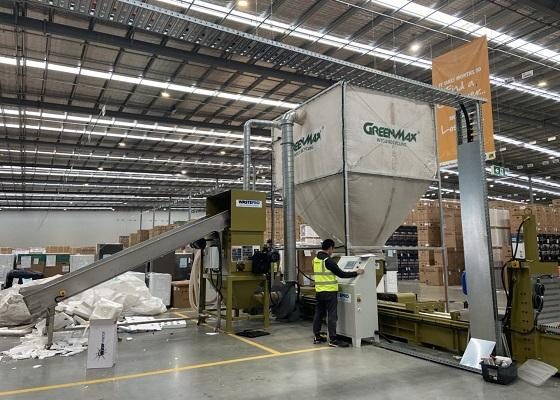
As plastic packaging collection networks expand, connecting material collection with efficient downstream processing becomes increasingly important. GREENMAX provides recycling solutions covering EPS foam densification, plastic shredding, film washing and rigid plastic processing to help businesses improve waste handling and material recovery.
For EPS packaging waste, shredding and densification help reduce the volume of loose material and improve storage and transportation efficiency. For PE and PP plastic films, washing and dewatering help remove contaminants before further processing. Rigid plastics such as ABS, PP and HDPE require appropriate sorting and size reduction according to their material characteristics and recycling requirements.
The most suitable processing solution depends on the source of the waste, daily processing volume, material condition and downstream recycling requirements. By connecting material sorting and pretreatment with further recycling processes, businesses can improve operational efficiency and establish more reliable material recovery channels.
Goodwill's exploration of producer-funded recycling programs reflects the changing structure of the US packaging recovery network. As EPR requirements continue to develop, cooperation between community collection networks and professional recycling facilities is likely to become increasingly important. At the same time, improving downstream processing capabilities for EPS foam, plastic films and rigid plastics will be essential to making plastic recycling and resource recovery more efficient.