


How U.S. Packaging EPR Laws Are Affecting EPS Packaging Businesses: Recycling Costs and Equipment Investment
As of November 2026, seven U.S. states have enacted packaging Extended Producer Responsibility (EPR) laws. Oregon began collecting program fees in July 2025, followed by Colorado in January 2026. California introduced an early fee in 2026, with its full producer fee structure scheduled for 2027. Meanwhile, certain provisions of California's SB 54 continue to face legal challenges.
These changes are increasing packaging responsibilities for manufacturers and brand owners. For businesses handling EPS packaging waste, managing production scrap, used packaging and transportation costs is becoming increasingly important.
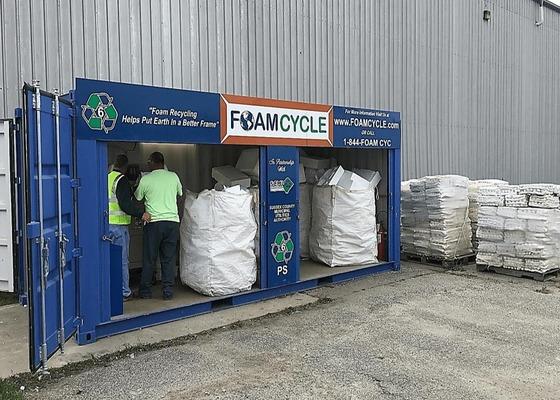
How Are EPR Changes Affecting EPS Packaging Businesses?
EPR requirements vary by state, including covered materials, producer responsibilities and fee structures. Whether a company must pay EPR fees depends on its role in the supply chain, packaging type and applicable exemptions. Even businesses without direct producer obligations may face additional recycling requirements from their customers.
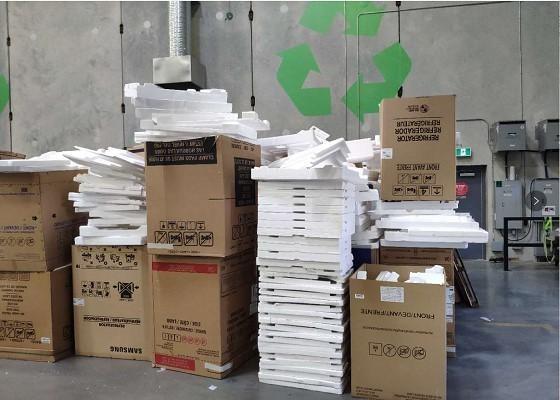
EPS is widely used in appliance, electronics, furniture and industrial packaging. Manufacturers generate molding scrap and production offcuts, while retailers and distribution centers handle large quantities of used protective inserts and packaging blocks.
Because loose EPS takes up considerable space, transportation and storage can become expensive. Installing suitable foam recycling equipment allows businesses to compact bulky waste at the source, making it easier to store and transport.
However, equipment investment does not automatically reduce statutory EPR fees or change packaging recyclability ratings. Its main benefit is controlling the operational costs associated with handling EPS waste.
Monroe County: A Municipal EPS Recycling Example
EPS recycling equipment is also being adopted by local governments.
On October 23, 2026, the Monroe County Waste Authority in Pennsylvania installed an EPS hot-melt densification system at its Blakeslee facility and opened a free foam drop-off program for residents.
The facility accepts eligible white #6 EPS packaging, provided that tape and other attached materials are removed. Collected foam is shredded and heated into dense blocks. According to the local authority, approximately five cubic yards of loose EPS can be processed into one block.
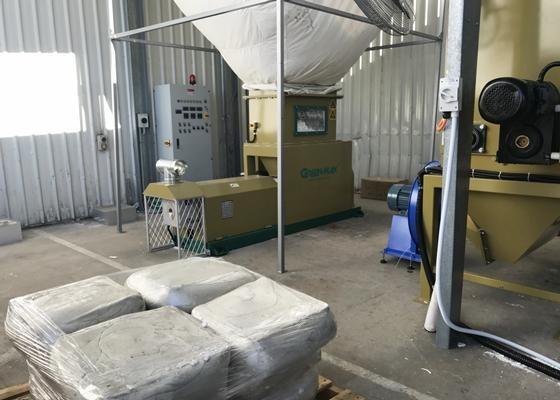
The compacted material is sold to downstream manufacturers for products such as decorative moldings and rigid foam insulation boards. Part of the equipment investment was supported by grant funding.
This project demonstrates how public collection, on-site densification and downstream sales can work together. It also shows that compacted EPS can become a recyclable material rather than simply being hauled away as waste.
How Should Businesses Evaluate Foam Recycling Equipment?
Businesses should assess their actual waste volumes and handling costs before investing in a styrofoam recycling machine.
Manufacturing offcuts are generally generated in consistent quantities, while packaging waste from product returns and distribution activities may be more dispersed. These differences affect equipment capacity and operating arrangements.
Existing hauling costs also matter. Frequent pickups, manual handling and limited storage space can make on-site compaction a practical option.
Downstream recycling requirements are equally important. Recyclers may have different specifications for cold-compacted and hot-melt blocks, including material cleanliness, dimensions and delivery quantities. Confirming these requirements before purchasing equipment helps ensure that the processed material has a suitable market.
Businesses evaluating a foam densifier or other foam recycling equipment should compare equipment investment and operating expenses with potential savings in hauling costs and revenue from recovered materials.
For more information about equipment capacity and selection, see EPS Densifier Machine Capacity: How to Choose the Right Size.
GREENMAX Foam Recycling Solutions
As packaging EPR programs expand across the United States, manufacturers, brand owners and recyclers are paying greater attention to EPS waste management.
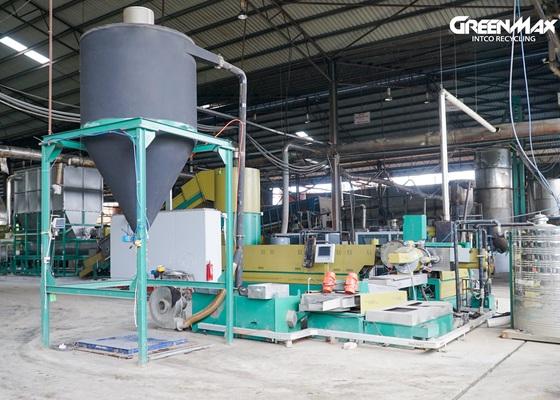
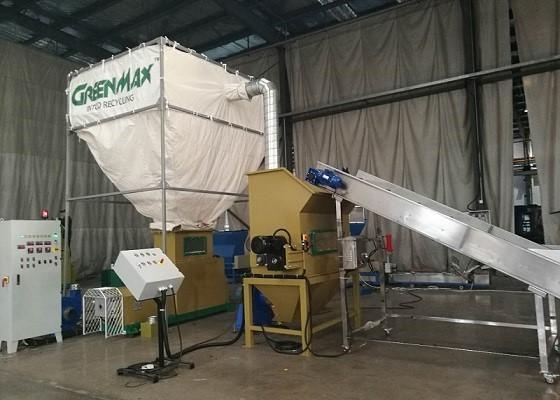
GREENMAX provides foam compaction and hot-melt densification equipment for different EPS recycling applications. Businesses can explore Compactor & Densifier and EPS Recycling Solution to learn more about available processing options.
For projects requiring integrated processing, Foam Recycling Line offers another option for handling foam waste.
Contact GREENMAX to discuss your EPS waste management requirements. Our team can assess your material type, waste volume and site conditions to recommend a suitable recycling solution.