US PET Bottle Recycling Rate Falls to 29% as rPET Demand Grows
The US recycled PET market is experiencing a notable shift: demand for recycled materials continues to grow, while domestic PET bottle collection is declining. According to the 2025 PET Recycling Report published by the National Association for PET Container Resources (NAPCOR) on November 11, 2026, the US PET bottle recycling rate fell to 29.0% in 2025. Meanwhile, the average recycled content in newly manufactured PET bottles reached 22.9%, setting a new record.
At the same time, imported recycled PET accounted for 39.1% of total rPET consumption in the combined US and Canadian markets, up from 35.5% in 2024. This highlights a growing gap between demand for recycled materials and domestic collection and processing capacity. For PET recyclers, this creates a greater need for efficient processing systems that can improve material recovery, maintain flake quality and support downstream production.
What Challenges Do PET Recycling Facilities Face?
Waste PET bottles need to go through several processing stages before they can be converted into clean flakes for further recycling. Feedstock sources, contamination levels and material conditions can all affect production efficiency and final product quality.
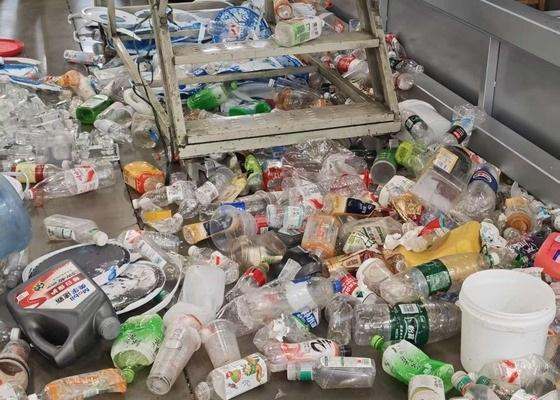
Post-consumer PET bottles may contain dirt, label residues, adhesives and other contaminants. If these impurities are not properly removed, they can increase the load on downstream filtration systems and affect the cleanliness of recycled PET flakes. For recyclers targeting higher-quality rPET, washing performance, contaminant removal and moisture control are important considerations.
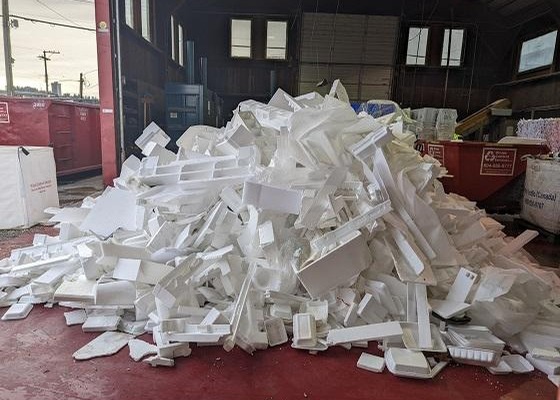
Beyond conventional beverage bottles, PET thermoformed packaging is also becoming an important material stream for recyclers. According to NAPCOR, North American recycling facilities processed approximately 226 million pounds of post-consumer PET thermoforms in 2025, representing a 7.4% increase year over year. These materials include food trays, clear packaging containers and other thermoformed PET products. Their structures and contamination profiles can differ from standard PET bottles, requiring adjustments to shredding and washing processes.
For recycling facilities, the challenge is to match processing equipment with the incoming material. Proper size reduction, effective washing and moisture control all contribute to producing cleaner PET flakes for subsequent manufacturing.
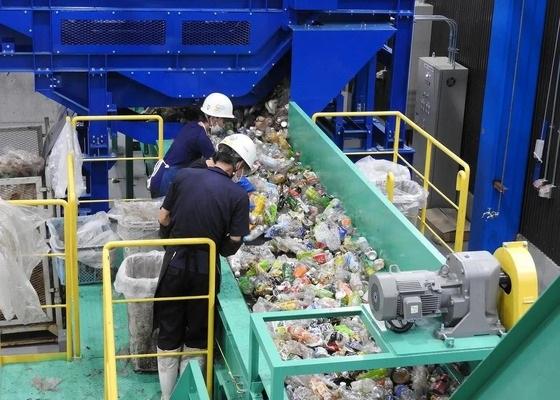
PET Bottle Washing and Flake Preparation Process
A PET bottle washing line consists of several processing stages. Equipment configurations can be adjusted according to feedstock source, contamination level and target flake quality.
Shredding and Pre-Treatment
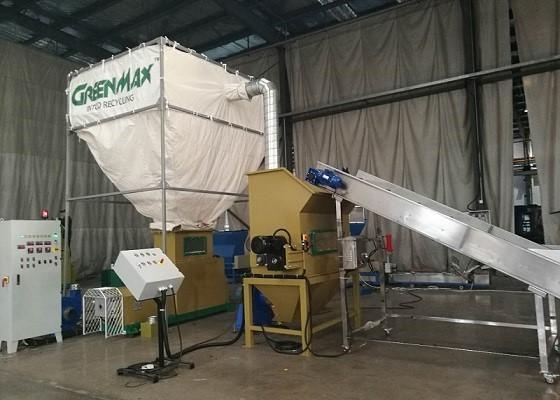
After initial preparation, waste PET bottles enter the shredding stage, where they are reduced into PET flakes suitable for further washing. Controlling flake size helps improve material conveying and washing efficiency while facilitating subsequent impurity separation. GREENMAX provides a Plastic Shredder for reducing plastic bottles and other suitable plastic waste into smaller pieces for further processing.
Friction Washing and Hot Washing
The shredded PET flakes undergo friction washing to remove surface dirt and attached contaminants. For more heavily contaminated feedstock, hot washing can be incorporated to further improve flake cleanliness. The washing process should be configured according to the type and condition of the incoming material.
Multi-Stage Rinsing
Following the initial washing stages, PET flakes pass through multiple rinsing stages to remove residual cleaning agents and fine impurities. The rinsing configuration can be adjusted according to feedstock contamination and final product requirements.
Dewatering and Drying
Washed PET flakes retain some moisture after rinsing. Centrifugal dewatering equipment removes most of the remaining water, followed by further drying when required. Controlling moisture content helps reduce the impact of residual water on subsequent extrusion and maintain stable processing conditions.
The PET Bottles Washing system from GREENMAX combines crushing, washing and drying technologies to process waste PET bottles into flakes for further recycling.
From PET Flakes to Recycled Pellets
For PET recyclers looking to increase the value of recovered materials, clean PET flakes can undergo further extrusion and pelletising.
During this process, PET flakes are heated and melted through extrusion. The molten material then passes through a filtration system to remove remaining impurities before being cut into recycled PET pellets. Feedstock cleanliness, moisture content, filtration configuration and extrusion conditions all influence the quality of the final pellets.
Different recycling businesses have different production objectives. Some specialise in producing clean PET flakes for downstream pellet manufacturers, while others aim to integrate bottle washing and pellet production within the same facility.
PET washing and pelletising systems can therefore be configured separately or integrated into a continuous production line, depending on processing capacity and product requirements. For bottle-to-bottle recycling and other demanding applications, feedstock quality, filtration requirements and applicable end-product standards must also be evaluated before selecting the equipment.
GREENMAX PET Washing and Recycling Solutions
GREENMAX provides PET bottle washing and recycling solutions for post-consumer PET bottles and other suitable PET packaging materials. Each system can be configured according to feedstock source, contamination level, target capacity and required flake quality.
The PET Recycling Line can integrate label removal, shredding, washing, rinsing, dewatering and drying. These processes convert waste PET bottles into clean flakes suitable for further recycling.
For businesses looking for a broader PET recovery solution, GREENMAX also offers a PET Bottles Recycling Solution covering bottle recovery, processing and material reuse.
For projects requiring further processing, downstream pelletising equipment can also be considered according to feedstock characteristics, production capacity and target pellet specifications. This allows businesses to plan PET washing and subsequent material processing around their actual production requirements.
Because PET recycling projects vary in feedstock composition, processing capacity and final product requirements, equipment configurations should be tailored rather than based on a fixed setup. GREENMAX can provide individual machines or integrated recycling line solutions according to material conditions, production targets and intended applications.
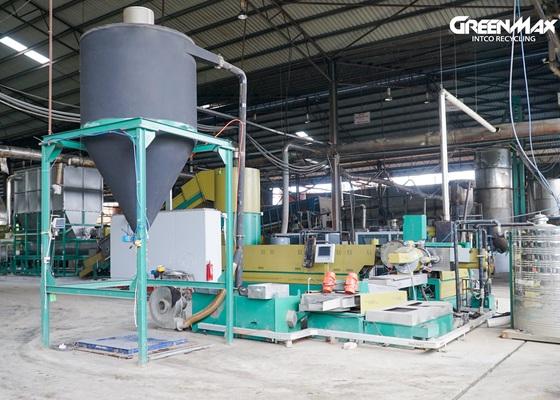
As demand for recycled PET continues to grow across the US and North American markets, improving processing efficiency, maintaining consistent material quality and expanding downstream capabilities will remain important for recycling businesses.
If you are planning a PET bottle recycling project or looking to upgrade an existing washing line, contact GREENMAX with your feedstock details, contamination level and target processing capacity to discuss a suitable washing and recycling solution.